

As North Texas prepares to host one of the most highly anticipated semi-final matches in sports history, Dallas/Fort Worth International Airport (DFW) is bracing for an unprecedented influx of global travelers. Processing over 70 million passengers annually under normal conditions, DFW is currently undergoing massive, multi-billion-dollar infrastructure upgrades specifically timed for the FIFA World Cup 2026™.
For the international soccer fan, landing at an airport larger than the island of Manhattan can be incredibly intimidating. Before you even think about the matches at the Arlington stadium, you have to conquer the logistics of the airport terminals, dodge aggressive transportation scammers in the baggage claim, and figure out the most economical way to reach your hotel.
As the premier ground transportation authority in the Metroplex, we have moved millions of passengers through DFW’s intricate web of access roads and terminals. This comprehensive survival guide breaks down exactly what you will encounter when you land, how to navigate ongoing terminal construction, and—most importantly—the safest way to secure your ride out of the airport.
1. Arriving at DFW: The 2026 Terminal Landscape
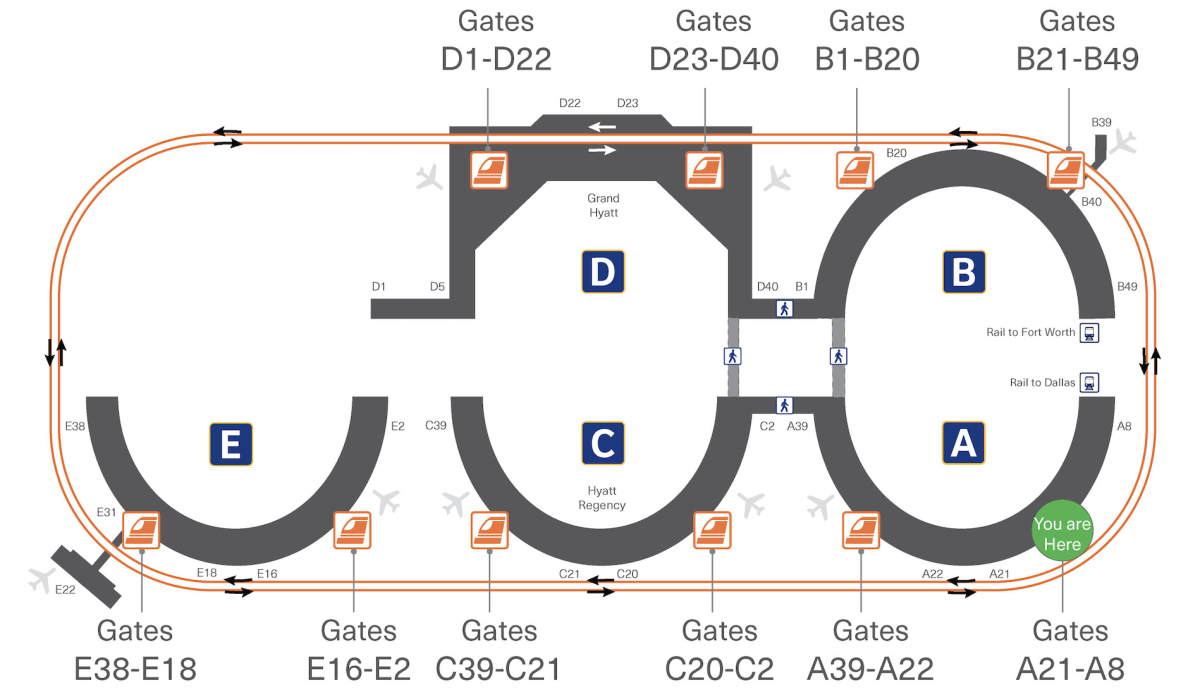
DFW Airport is massive, consisting of five active semi-circular terminals (A, B, C, D, and E), with a brand-new Terminal F currently under construction. Depending on which airline you fly, your arrival experience will vary greatly.
- Terminal D (The International Hub): If you are flying directly from Europe, South America, or Asia, you will almost certainly land at Terminal D. This is the airport’s premier international facility, housing customs and passport control. It is modern, spacious, and features the easiest ground transportation access.
- Terminal C Construction Reality Check: If you are connecting through another U.S. city via American Airlines, you will likely land at Terminal A or Terminal C. Be aware: Terminal C is currently undergoing a massive “Pier Expansion” and renovation project for 2026. The C30 security checkpoint is closed, the South Parking Garage has been demolished and is being rebuilt, and several concession stands are shuttered. Do not panic if the terminal feels chaotic; simply follow the high-visibility orange signage or ask the orange-shirted “DFW Ambassadors” for directions.
- Connecting Between Terminals: If you land at Terminal C but need to meet a friend at Terminal D, you have two options. If you are inside security, take the Skylink train (which runs 24/7). If you have already grabbed your luggage and are outside security, you must use the Terminal Link shuttle buses. Note: Due to construction, Terminal C’s Terminal Link shuttle stop has been temporarily relocated to the lower-level curb near Gate C17.
2. The “Gypsy Cab” Threat: How to Avoid Airport Scams
The moment you grab your luggage from the carousel and turn toward the exit doors, you will enter the highest-risk zone for transportation fraud. High-profile mega-events like the World Cup act as magnets for unlicensed, predatory drivers—commonly known as “gypsy cabs.”
The Baggage Claim Hustle
According to DFW Airport Authority ordinances, it is strictly illegal for any commercial driver to enter the terminal building and verbally solicit passengers. If a person holding a clipboard, a tablet, or just a friendly smile approaches you at the baggage carousel and asks, “Do you need a taxi?” or “Need a ride to Arlington?”—ignore them completely.
These individuals are operating illegally. They do not carry commercial liability insurance, their vehicles do not pass municipal safety inspections, and they are notorious for charging naive tourists triple the standard rate by demanding cash upfront.
The “Broken Meter” Ploy
If you do manage to find your way to a taxi but the driver claims their taximeter is “broken” and offers you a flat cash rate to your hotel, step out of the vehicle immediately. Dallas city regulations dictate that all licensed taxis must operate with a calibrated, functioning taximeter. The only exception is the legally mandated flat-rate pricing for specific downtown zones, which will be physically posted inside the passenger cabin.
To dive deeper into the exact steps you should take if you suspect a driver is manipulating prices, read our comprehensive guide on what to do if a taxi overcharges you in Dallas.
3. Ground Transportation: Taxis vs. Rideshare During FIFA
Once you step outside the terminal doors, you must choose your escape route. DFW Airport utilizes a strict dual-level roadway system that separates different types of transportation.
The Upper Level (Departures and Rideshares)
If you attempt to use an app like Uber or Lyft, you will be directed to the Upper Level. During FIFA 2026, this zone will be a logistical nightmare. Because rideshare apps operate on real-time supply and demand, the influx of international fans will trigger maximum “surge pricing.” A ride that normally costs $35 could easily surge past $120. Furthermore, finding a specific rideshare car in a sea of thousands of identical sedans while battling a language barrier is highly stressful.
The Lower Level (Official Taxis)
For predictability and safety, the Lower Level is where you want to be. This is where DFW manages its highly regulated, official taxi queues.
- Follow the overhead signs for “Taxis.”
- Walk to the lower-level curbside.
- Look for the official DFW Ground Transportation starter (an airport employee in a bright vest). They will direct you to the next available, fully licensed cab.
Because taxis operate on a heavily regulated municipal meter, they are legally prohibited from utilizing surge pricing. To understand the exact mathematics of how a meter protects your wallet during a global event, read our breakdown of why a taxi is cheaper than Uber in Texas during high-demand periods.

4. Luggage and Group Dynamics: Securing the Right Vehicle
International soccer fans do not travel light. If you are flying in from the UK or South America with three friends, four massive suitcases, and backpacks, a standard Toyota Camry hybrid is physically incapable of transporting you safely.
Do not attempt to cram excessive luggage into the passenger cabin of a small sedan—it is a safety violation, and the driver will refuse the ride.
Instead of booking two separate cars and doubling your transport budget, you must secure a high-capacity vehicle. DFW taxi queues usually have minivans mixed into the line, but during the World Cup rush, you cannot guarantee one will be waiting for you. The smartest move for families and groups is to pre-book a commercial SUV before you board your flight. You can learn more about how to bypass the line with heavy gear in our family SUV taxi airport travel guide.

5. Escaping the Airport: Where Are You Heading?
DFW Airport is centrally located, but where you tell your driver to go dictates how stressful the rest of your World Cup experience will be.
If you haven’t booked your hotel yet, beware of staying too far north (in Denton) or too far east (in Downtown Dallas). Because the matches are in Arlington, you want a hotel that bridges the gap between the airport and the stadium.
The smartest, most cost-effective logistical move is to stay in the Mid-Cities immediately south of the airport. For a complete breakdown of why this region saves you hours in traffic and hundreds in surge pricing, read our core strategy guide: Best Places to Stay for the 2026 FIFA World Cup in Dallas.

The Commercial Hook: Your Reliable DFW Transit Partner
Don’t let the chaos of a 70-million-passenger airport ruin the start of your FIFA 2026 experience. Relying on rideshare algorithms during a global sporting event is a massive financial and logistical gamble.
Texas Yellow Cab operates with transparent, meter-regulated pricing, commercially insured vehicles, and drivers who possess FBI-cleared background checks. We know the DFW terminal layouts, the construction detours, and the fastest surface streets to the Arlington stadiums.
Whether you need a high-capacity SUV for your international luggage or a reliable, flat-rate ride to your hotel, pre-book your airport transfer with us today and guarantee a flawless arrival in the Lone Star State.
Frequently Asked Questions (FAQs)
1. Where do I find a taxi when I land at DFW Airport?
At all DFW terminals (A, B, C, D, and E), legitimate taxicabs are located on the Lower Level. Follow the overhead signs in the baggage claim for “Ground Transportation / Taxis” and an official airport dispatcher will direct you to the next available licensed vehicle.
2. Can I get an Uber or Lyft at DFW Airport?
Yes, but rideshare pickup zones are located on the Upper Level (Departures). During major events like the FIFA World Cup, rideshare apps are heavily subject to extreme surge pricing and long wait times as drivers struggle to navigate the congested terminal traffic.
3. How do I know if a taxi driver at DFW is legitimate?
A legitimate taxi driver will never approach you inside the airport building asking if you need a ride. Official taxis must wait at the designated lower-level curbside. Legitimate vehicles will have a city-issued medallion or permit visibly displayed on the dashboard, commercial branding on the exterior, and a functioning digital taximeter.
4. What is happening with Terminal C at DFW Airport?
Terminal C is undergoing a massive multi-year renovation called the “Pier Expansion.” For travelers arriving in 2026, be aware that the C30 security checkpoint is closed, the south parking garage is under reconstruction, and the Terminal Link shuttle has been temporarily moved to the lower level near Gate C17. Expect heavier construction traffic in this specific area.
5. Do DFW taxis accept credit cards?
Yes. All licensed municipal taxicabs operating out of Dallas/Fort Worth International Airport are legally required to have functioning digital Point-of-Sale (POS) systems in the back seat. They accept all major credit cards, debit cards, and usually contactless payments like Apple Pay.


